Catholic Baptism Etiquette: What to Wear, Bring & Expect
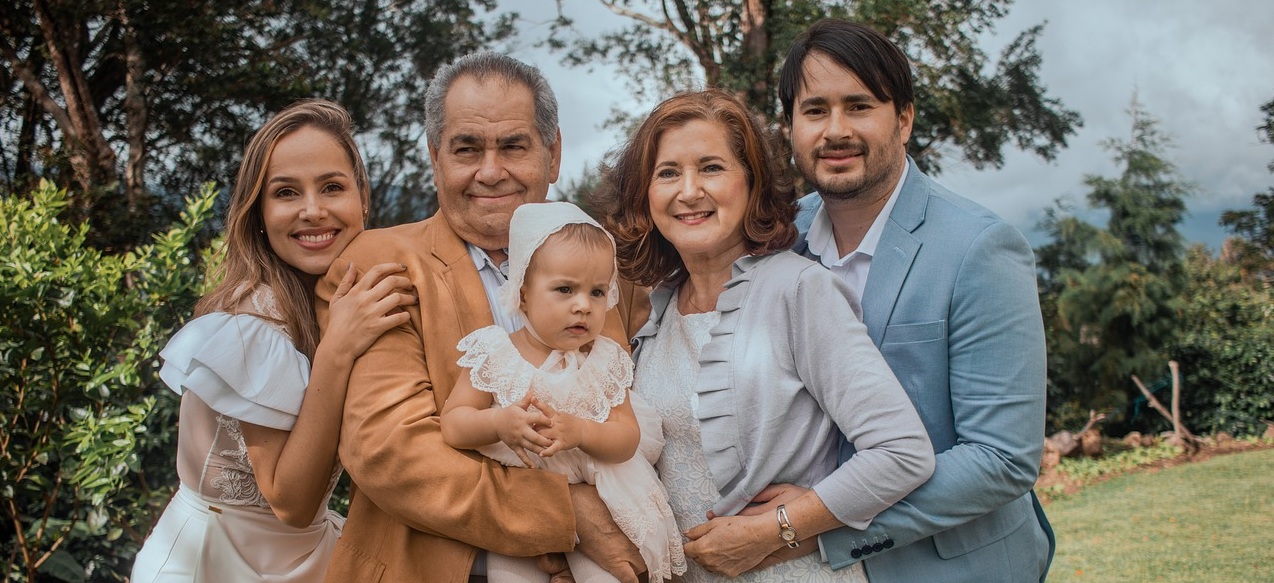
Catholic Baptism etiquette is centered on reverence for the Sacrament. Dress modestly in church-appropriate clothing, arrive early, silence your phone, follow the parish’s directions for photographs and seating, and participate prayerfully. Parents and godparents should complete the preparation requested by the parish and understand the promises they will make.
This guide answers common questions about what the baby, parents, godparents, and guests should wear; what to bring; how non-Catholic guests may participate; appropriate gifts; and what happens during and after the ceremony.
Are you a parent or godparent who needs Baptism preparation?
Begin our $49.95 online Catholic Baptism class immediately. The 16-module course is self-paced, available 24/7, designed to take approximately one hour, includes unlimited retakes, and has access that does not expire.
What Should You Wear to a Catholic Baptism?
Choose modest, neat clothing suitable for worship in a Catholic church. A Baptism may be less formal than a wedding, but it is still a sacred liturgy. Local customs, weather, and the formality of the celebration can vary, so ask the family or parish when in doubt.
Parents and Godparents
- A modest dress, skirt, dress pants, or polished jumpsuit
- A collared shirt with dress pants; a jacket or tie when appropriate
- Comfortable, neat shoes suitable for standing near the font
- Clothing that allows you to hold the child safely
Family and Guests
- Church-appropriate or smart-casual attire
- Modest dresses, skirts, slacks, or collared shirts
- Clean, understated clothing that does not distract from the Sacrament
- Respect for any dress guidance provided by the parish
The Baby or Child
- A white baptismal gown or outfit is traditional but is not always required
- Choose clothing that can be adjusted easily for anointing and Baptism
- Bring an extra outfit, blanket, diaper, and other practical necessities
- Ask whether the parish supplies a white garment
Colors and Accessories
- Guests may wear white; it is not reserved only for the person being baptized
- Black is acceptable when the overall outfit is appropriate and celebratory
- Avoid clothing with distracting slogans or graphics
- Keep jewelry and accessories practical around a baby and the font
What Should Parents Bring to a Catholic Baptism?
Bring what the parish specifically requests. A practical list may include:
- Any registration forms, sponsor forms, or documents not already submitted
- The child’s baptismal clothing or white garment, if the family is providing it
- A baptismal candle, only if the parish asks the family to supply one
- A small towel or blanket if suggested by the parish
- Diapers, wipes, feeding supplies, and an extra outfit for an infant
- Any approved family sacramental items the priest or deacon has agreed to bless
Many parishes provide the candle, white garment, oils, and everything needed for the rite. Do not purchase special items until you know the parish’s practice.
What Should Godparents Do at the Baptism?
Godparents stand with the parents, answer the minister’s questions as directed, renounce sin, profess the Catholic Faith, and assist during the ceremony. They should arrive early, know where to stand, and listen closely to the parish’s instructions.
The role continues long after the day of Baptism. A godparent should pray for the godchild, model faithful Catholic life, encourage Sunday Mass and the Sacraments, and help the child grow in the Faith.
For sponsor eligibility, Christian witnesses, age, Confirmation, and other questions, see the Catholic Baptism requirements guide. For the online course written specifically around the sponsor’s role, visit the Catholic godparent class page.
How Early Should Guests Arrive?
Parents and godparents should generally plan to arrive at least 20–30 minutes early, or at the time given by the parish, because they may need to review the rite, sign records, arrange seating, or receive last-minute instructions. Guests should aim to arrive 10–15 minutes early and be seated before the ceremony begins.
If the Baptism takes place during Sunday Mass, allow extra time for parking and seating. Avoid entering, leaving, or moving around during prayers, readings, the Baptism itself, and the consecration.
Are Photographs Allowed During a Catholic Baptism?
Photography policies vary. Ask the parish before the ceremony whether flash, video, tripods, movement near the sanctuary, or a designated photographer is permitted. Even when photography is allowed, avoid blocking the congregation, distracting the minister, or treating the liturgy like a photo session.
Silence phones and cameras. A good approach is to take a few discreet photographs during the rite and arrange posed family pictures afterward when the parish permits them.
How Should Non-Catholic Guests Participate?
Non-Catholic relatives and friends are warmly welcome to attend. They may stand, sit, listen, and join prayers to the extent they are comfortable. A family can help by briefly explaining the ceremony beforehand and showing guests where the responses appear.
When Mass is celebrated, non-Catholic guests ordinarily do not receive Holy Communion. Practices concerning approaching for a blessing differ by parish and celebrant, so guests should follow the directions given at that church rather than assume a particular gesture or custom.
A baptized non-Catholic Christian may serve as a Christian witness only alongside a qualified Catholic sponsor. The parish determines and records these roles.
What Is an Appropriate Catholic Baptism Gift?
A gift is optional, but a spiritual or useful keepsake is appropriate. Common Catholic Baptism gifts include:
- A Catholic children’s Bible or prayer book
- A Rosary, crucifix, saint medal, or sacred image
- A baptismal keepsake box, frame, or personalized blanket
- A book about the child’s patron saint
- A contribution to the child’s education or savings
- A handwritten promise from the godparent to pray for and guide the child
A card may congratulate the family, welcome the child into the Church, and promise prayers. Keep the message focused on the grace of Baptism rather than only on the party.
What Happens at a Catholic Baptism?
The precise order depends on whether the Baptism is celebrated during Mass or outside Mass. Common elements include:
- Reception of the child and the Sign of the Cross
- Readings from Sacred Scripture and a homily
- Prayers of exorcism and anointing before Baptism
- Blessing of the baptismal water
- Renunciation of sin and profession of the Catholic Faith
- Baptism with water in the name of the Father, Son, and Holy Spirit
- Anointing with Sacred Chrism
- The white garment and baptismal candle
- The Lord’s Prayer and final blessing
Do Parents and Godparents Need a Pre-Baptismal Class?
Parents and sponsors are to be properly instructed about the meaning of Baptism and the obligations attached to it. Many parishes ask them to complete a preparation class. The parish arranging the Baptism determines the exact program and documentation it requires.
CatechismClass.com Online Baptism Preparation Course
- $49.95 individual enrollment
- 16 self-paced modules designed to take approximately one hour
- Immediate access from a computer, tablet, or mobile device
- Unlimited quiz retakes and access that does not expire
- Personalized Certificate of Completion available by separate request after successful completion
Standard electronic certificate processing is currently $10 and generally takes 2–3 business days. An optional guaranteed 24-hour service is available. Each person who needs a certificate must purchase and complete the course through his or her own account.
Catholic Baptism Day Checklist
- ☐ Confirm the date, time, location, and arrival time with the parish
- ☐ Complete the preparation requested for parents and godparents
- ☐ Submit the parish’s forms and sponsor documentation
- ☐ Confirm who supplies the white garment and candle
- ☐ Choose modest, church-appropriate clothing
- ☐ Ask about photography and video rules
- ☐ Explain the ceremony and Communion practice to non-Catholic guests
- ☐ Pack practical supplies for the baby or child
- ☐ Arrive early and silence all devices
- ☐ Pray for the child and the grace to fulfill the promises made
Frequently Asked Questions About Baptism Etiquette
Can guests wear white to a Catholic Baptism?
Yes. White is traditional for the person being baptized, but guests are not generally forbidden from wearing it. Choose an outfit that is modest and does not draw attention away from the Sacrament.
Can you wear black to a Baptism?
Yes. Black can be appropriate when the outfit is modest, polished, and suitable for a joyful church celebration.
Who holds the baby during Baptism?
The priest or deacon and local custom determine the practical arrangement. A parent usually holds the baby, although a godparent may be asked to do so at part of the rite. Follow the parish’s instructions.
Is a gift required?
No. A gift is optional. Prayer, presence, and continued support for the child’s Catholic life are more important than the price of a keepsake.
Can non-Catholics attend a Catholic Baptism?
Yes. Non-Catholic family and friends are welcome to attend and participate respectfully. If Mass is celebrated, they ordinarily do not receive Holy Communion.
Prepare for Baptism with Reverence and Confidence
Good etiquette helps everyone focus on what matters most: a person is being reborn in Christ and welcomed into His Church. Prepare spiritually, follow the parish’s practical directions, and support the newly baptized in living the Catholic Faith.
More resources: Godparent Class | Why Baptize a Baby? | Find the Right Baptism Class